5 Myths about House Flipping
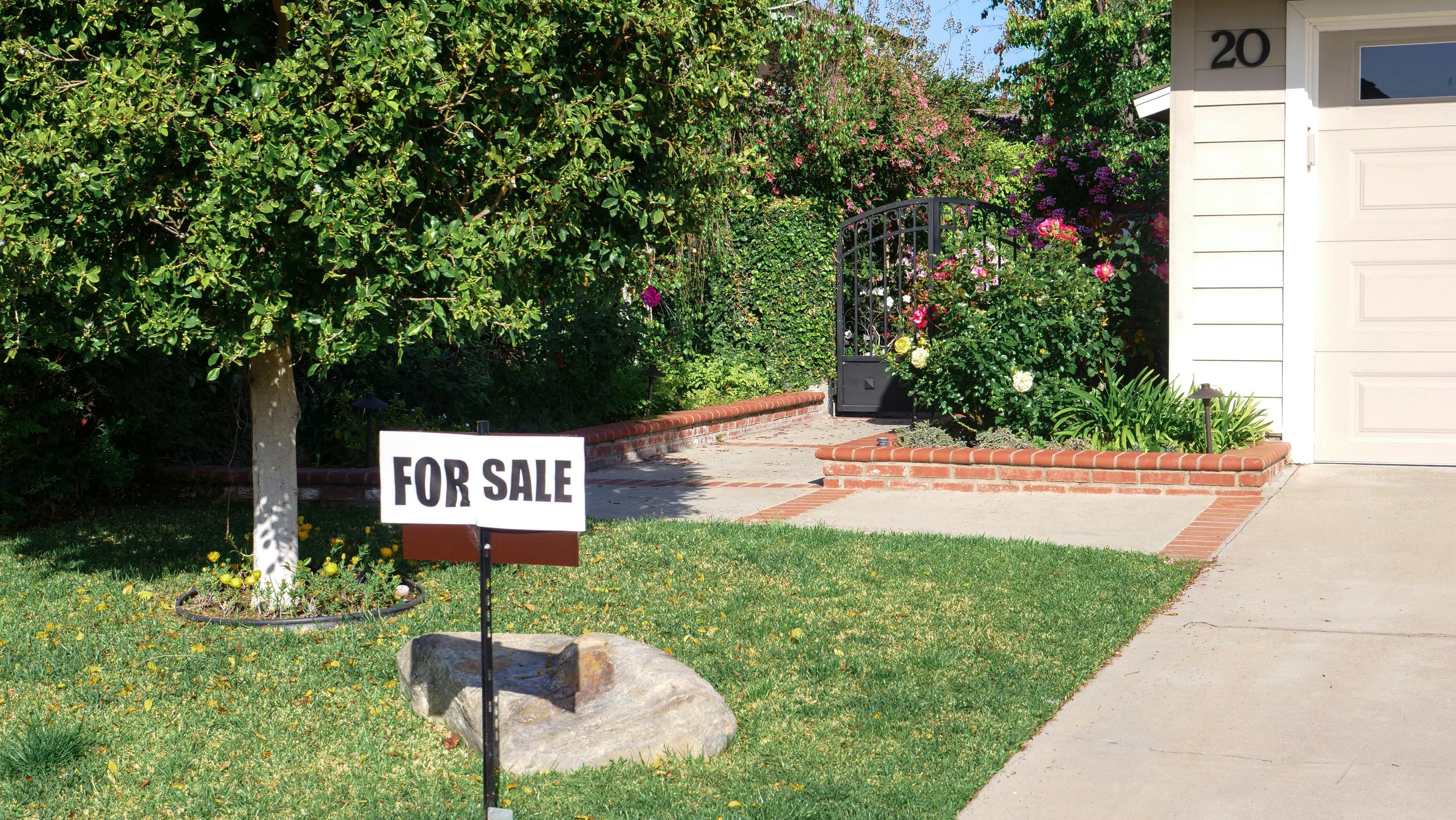
House flipping has become one of the most popular topics in real estate, thanks largely to TV shows and social media. On screen, buying a distressed property, renovating it, and selling it for a huge profit often looks fast, easy, and glamorous.
But experienced investors know the reality is much more complicated.
At Homestead Road, we’ve worked with real estate investors and homeowners throughout Minnesota for years, and one thing is clear: successful house flipping requires planning, patience, financial discipline, and a strong understanding of the local market. While flipping homes can absolutely create long-term wealth, there are several common myths that continue to mislead beginner investors.
Myth #1: Flipping Houses Is Easy
Television often makes house flipping look simple — buy the property, renovate it quickly, and sell for a large profit.
In reality, experienced investors know every project comes with risk. Hidden issues like:
- Foundation problems
- Roof damage
- Plumbing failures
- Electrical concerns
- Permit complications
can quickly increase renovation costs and delay timelines.
According to the Homestead Road acquisitions team, one of the most common mistakes beginner investors make is underestimating the true condition of older homes before renovations begin.
“What looks cosmetic at first can quickly turn into major structural or mechanical work once walls are opened,” says a Homestead Road investment advisor. “Experienced investors always budget for unexpected surprises.”
Myth #2: House Flips Happen Quickly
TV renovations often appear to take only a few weeks, but real-world projects usually move much slower.
A successful flip may involve:
- Permits and inspections
- Contractor scheduling
- Material delays
- Insurance requirements
- Financing timelines
- Title work and closing costs
At Homestead Road, we’ve seen projects delayed simply because materials arrived late or contractors became unavailable during peak renovation seasons.
“The renovation itself is only part of the process,” explains a Homestead Road real estate expert. “Managing timelines, budgets, contractors, and inspections is what truly determines whether a flip becomes profitable.”
Experienced investors move faster because they already have trusted systems and local relationships in place.
Myth #3: House Flipping Is a Get-Rich-Quick Strategy
While profitable flips certainly happen, real estate investing is rarely instant wealth.
Beginner investors often underestimate:
- Holding costs
- Property taxes
- Loan interest
- Utilities
- Insurance
- Unexpected repairs
According to industry data, many first-time investors spend significantly more on renovations than originally planned.
The Homestead Road team regularly advises investors to focus on realistic projections rather than TV-style expectations.
“Successful investing is usually built through discipline and smart decision-making over time — not one lucky deal,” says Homestead Road founder Andrey Sokurec.
Myth #4: More Expensive Homes Mean Bigger Profits
Many investors assume luxury homes automatically generate larger profits, but higher-priced properties also come with greater risk.
More expensive flips often mean:
- Larger renovation budgets
- Higher carrying costs
- Longer selling timelines
- Smaller buyer pools
In many Minnesota markets, mid-range homes can actually provide more stable and predictable returns because buyer demand remains stronger.
According to Homestead Road market observations, homes with practical layouts, updated kitchens, and move-in-ready condition often outperform luxury-heavy renovations when it comes to resale speed.
Myth #5: You Need Huge Amounts of Cash to Start
A large budget can help, but many investors begin using creative financing solutions instead of paying fully out of pocket.
Common strategies include:
- Seller financing
- Private lenders
- Business loans
- Investment partnerships
- Home equity lines of credit
At Homestead Road, we’ve worked with many investors who started small by focusing on manageable projects and conservative budgets before scaling into larger investments.
The Reality of Real Estate Investing
Successful house flipping is not about luck or reality-TV drama — it’s about preparation, market knowledge, and risk management.
Today’s market requires investors to pay close attention to:
- Renovation costs
- Interest rates
- Local housing demand
- Inventory levels
- Contractor availability
At Homestead Road, we believe the strongest investors are the ones who stay patient, understand their numbers, and focus on long-term value rather than shortcuts.
Because in real estate investing, experience almost always beats hype.